
knest.ai • Property intelligence for home buyers
BAL Ratings Explained: What a Bushfire Attack Level Means for Buyers
A BAL (Bushfire Attack Level) sets how a home near bush must be built to survive a fire, and how much that costs. Here's the scale, how it's assessed, and how to check a property before you offer.
If you're looking at a home near bush, you'll meet three letters fast: BAL. It stands for Bushfire Attack Level, and it's the number that decides how the house must be built to survive a fire, and how much that costs. A high BAL isn't automatically a reason to walk away, but it's one you must understand before you offer, because it shapes both the build cost and the insurance.
Here's what a BAL is, the scale from BAL-LOW to Flame Zone, how it's worked out, and how to check a property before you commit. It's one part of your wider land and site-risk due diligence.
- A Bushfire Attack Level (BAL) measures a building's exposure to a bushfire (ember attack, radiant heat and direct flame), and sets the construction standard under AS 3959.
- The scale runs BAL-LOW, BAL-12.5, BAL-19, BAL-29, BAL-40 and BAL-FZ (Flame Zone). The numbers are radiant heat in kW/m²; the higher the level, the more stringent and costly the build.
- A BAL is assessed for the specific site (its vegetation, the distance to it, and the slope), usually when you build or extend on bushfire-prone land.
- Check whether a property is bushfire-prone on the state map and the planning certificate, and get an insurance quote: most policies cover bushfire, but with limits.
- A high BAL isn't a dealbreaker on its own, but price the construction and insurance in before you offer.
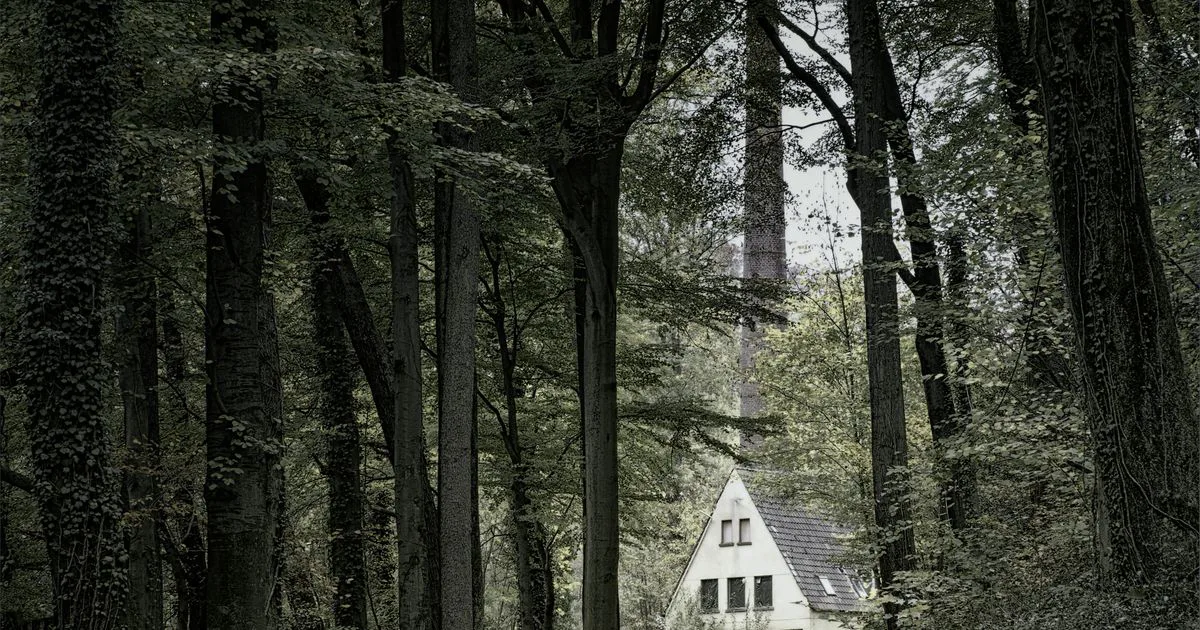
What is a BAL (Bushfire Attack Level)?
A Bushfire Attack Level measures how badly a building could be hit by a bushfire. In the NSW Rural Fire Service's words, it "measures the severity of a building's potential exposure to ember attack, radiant heat and direct flame contact". That rating then sets the construction standard: the requirements for each BAL are laid out in Australian Standard AS 3959, Construction of buildings in bushfire-prone areas.
So a BAL isn't a hazard score for the suburb; it's a build standard for the specific house. It tells a builder what materials and protections are required, from screened vents and ember guards at the lower levels to full flame-resistant construction at the top.
What are the BAL levels, from BAL-LOW to Flame Zone?
There are six. The NSW RFS lists them lowest to highest: "BAL-LOW, BAL 12.5, BAL 19, BAL 29, BAL 40 and BAL FZ (Flame Zone). BAL LOW is the lowest risk category and BAL FZ is the highest." The number in each level is the radiant heat, measured "in kilowatts per metre squared" (kW/m²), that the building is built to withstand under AS 3959.
| Level | Risk | What it means |
|---|---|---|
| BAL-LOW | Very low | Bushfire-resistant construction not required |
| BAL-12.5 | Low | Ember attack; radiant heat up to 12.5 kW/m² |
| BAL-19 | Moderate | More ember and heat; up to 19 kW/m² |
| BAL-29 | High | Heavier ember and heat; up to 29 kW/m² |
| BAL-40 | Very high | Ember, heat and some direct flame; up to 40 kW/m² |
| BAL-FZ | Extreme | Flame Zone: the building is directly exposed to flames |
Radiant-heat flux each numbered level is built to withstand, under AS 3959. BAL-LOW sits below this range; BAL-FZ (Flame Zone) is beyond it, with direct flame contact. Scale per NSW RFS and WA Government; thresholds per AS 3959:2018.
How is a BAL worked out?
A BAL is assessed for the specific site, not the street. The NSW RFS explains it's "affected by the area you live, the vegetation, the distance from the vegetation to your home, and the slope". Denser bush closer to the house, and an upslope that a fire runs up, push the rating higher; more cleared distance pulls it down.
In the buyer prep we see at knest.ai, people often treat a BAL as a suburb-wide label. It isn't. The same street can run from BAL-12.5 to BAL-40 depending on which block backs onto the reserve and which way the land falls, so check the rating for the exact property, not the postcode.
When you build or extend on bushfire-prone land, the rating is formalised: "as part of the development application process, you will need to confirm your BAL in a written report", and "many people complete this step with a bush fire consultant". For a buyer, the useful point is that a BAL attaches to a plan on a site, so an existing home, a knock-down-rebuild and an extension can each face a different figure.
What does a higher BAL mean for building and cost?
The higher the BAL, the more the house has to resist, and the more it costs to build to. The NSW RFS puts it plainly: "the type of construction required will depend upon the Bush Fire Attack Level (BAL) determined for your property." At the top of the scale, BAL-FZ means "extreme risk. Directly exposed to the flames", and carries the strictest requirements.
There's no single price, and anyone quoting a flat "BAL premium" is guessing, because it depends on the level, the design and the site. But the direction is reliable: BAL-12.5 adds relatively little; BAL-40 and Flame Zone can add a lot, and can rule out some designs. If you plan to build, renovate or knock-down-rebuild, get a BAL assessment and a builder's view on cost before you commit, not after.
How do I check if a property is bushfire-prone?
Two places, and the council is the authority. Whether a lot is bushfire-prone is shown on the state's bushfire-prone-land map and confirmed on the planning certificate; in NSW that's the section 10.7 certificate, and you can also check by address on the RFS map. For how the certificate flags it, see planning certificates and overlays.
It's a national framework, not a NSW quirk. Other states map bushfire-prone land and apply the same standard: in WA, land is "designated as a bushfire prone area" and construction requirements "are contained in the Building Code of Australia (BCA) and Australian Standard 3959" (WA Government), with equivalents in Queensland and elsewhere. Victoria adds a planning layer: the Bushfire Management Overlay (BMO), which the CFA says "applies to land in Victoria that may be at risk from bushfire" and can require a permit to develop or subdivide.
Bushfire, insurance and value
Insurance is the other half of the cost, and it's easy to get wrong. Most policies cover bushfire, but with limits. ASIC's Moneysmart notes that "most home and contents insurance covers you for damage caused by fire, including bushfire". But cover has edges: "generally, a flame has to cause the damage", so you may not be "covered for heat-related damage, like scorching and melting, or smoke, ash and soot damage". Read the product disclosure statement, check what's actually covered, and get a real quote on the specific address.
On value, treat headline claims with care: a high BAL can add to build and insurance costs and narrow the buyer pool, but there's no reliable Australian figure putting a percentage on it. For a specific property, that's a question for a valuer. Flooding is the other climate risk worth the same scrutiny; see buying in a flood-prone area.
Should you buy in a bushfire-prone area?
Plenty of people do, happily. The question isn't "bushfire-prone: yes or no", it's whether the specific rating and site work for you once you've priced them. Weigh four things: the BAL level (a BAL-12.5 is a world away from Flame Zone), the cost to build or renovate to that standard, whether you can insure it affordably, and the practical realities of living there, like access and defendable space. From what we see, the buyers who stay calm about a bushfire rating are the ones who got the BAL and an insurance quote before the auction, not after. The letter on its own rarely decides it; what does is the build cost and the premium, sitting next to the asking price.
Do those checks, then make a clear call: proceed, add a condition to the contract (subject to a satisfactory BAL and insurance check), or walk. knest.ai helps you surface the bushfire signals by address and prepare the questions; your bushfire assessor, builder and insurer confirm the answers.
Frequently asked questions
What is a BAL rating?
A Bushfire Attack Level measures a building's potential exposure to a bushfire (ember attack, radiant heat and direct flame) and sets the construction standard under AS 3959. It applies to the specific building, not the whole suburb.
What are the BAL levels?
There are six, lowest to highest: BAL-LOW, BAL-12.5, BAL-19, BAL-29, BAL-40 and BAL-FZ (Flame Zone). The numbers are the radiant heat, in kW/m², the building is built to withstand. BAL-LOW needs no special construction; BAL-FZ is direct flame exposure.
How is a BAL determined?
It's assessed for the site, based on the surrounding vegetation, the distance from that vegetation to the building, and the slope. When you build or extend on bushfire-prone land, it's confirmed in a written report, often by a bushfire consultant.
Does bushfire risk affect home insurance?
Most home and contents policies cover bushfire, but with limits: generally a flame has to cause the damage, so smoke, ash and heat damage may not be covered. Read the product disclosure statement and get a quote on the specific property.
Can you build in a bushfire-prone area?
Usually yes, but to the standard your BAL requires under AS 3959, which gets more stringent and costly as the level rises. Get a BAL assessment and a builder's cost view before you commit, especially for a renovation or knock-down-rebuild.
Sources
- NSW Rural Fire Service, Building on bush fire prone land: What you need to know, retrieved 2026-07-29, https://www.rfs.nsw.gov.au/plan-and-prepare/building-on-bush-fire-prone-land/what-you-need-to-know
- NSW Rural Fire Service, Building on bush fire prone land: Additional Information, retrieved 2026-07-29, https://www.rfs.nsw.gov.au/plan-and-prepare/building-on-bush-fire-prone-land/additional-information
- WA Government (Building and Energy), Building in bushfire-prone areas, retrieved 2026-07-29, https://www.wa.gov.au/organisation/building-and-energy/building-bushfire-prone-areas
- Country Fire Authority, Planning and Bushfire Management Overlay, retrieved 2026-07-29, https://www.cfa.vic.gov.au/plan-prepare/building-planning-regulations/planning-controls/planning-and-bushfire-management-overlay
- Queensland Government, Building in a bushfire prone area, retrieved 2026-07-29, https://www.qld.gov.au/emergency/safety/fire/building-fire-prone
- ASIC Moneysmart, Storm, flood and fire insurance, retrieved 2026-07-29, https://moneysmart.gov.au/home-insurance/storm-flood-and-fire-insurance
- Standards Australia, AS 3959:2018 Construction of buildings in bushfire-prone areas, retrieved 2026-07-29, https://www.standards.org.au/standards-catalogue/sa-snz/publicsafety/fp-020
Daniel Ryan, Editor, Buyer Guides & Property, knest.ai
General information only. This article is general information for Australian home buyers, not personal legal, property, insurance, building or financial advice. Bushfire mapping, BAL assessment and construction rules vary by state and site. Verify anything that affects your decision with an accredited bushfire assessor, your builder or certifier, the relevant council, and your insurer.
Recommended for you
How to Research a Property Before Buying in NSW: The 12 Checks

Do You Need a Conveyancer to Buy a House? (And Can You DIY?)

Conveyancing Fees in Australia: What a Conveyancer Costs
Buying on a Sloping Block: Costs, Retaining and What to Check

Conveyancer vs Solicitor in Australia: Which Do You Need?

What a Conveyancer Does in Australia: A Buyer’s Guide