
knest.ai • Property intelligence for home buyers
What Is an Easement? What It Means When You're Buying
An easement lets someone else use part of your land for a set purpose, and it stays on the title when you buy. Here's what it means for what you can build, what the block is worth, and what to check before you offer.
You've found a place you like. Then you spot the word "easement" on the contract or the title, and no one at the open home mentioned it. It's one of the most common things a buyer sees on an Australian title, and one of the least explained from your side of the deal.
Almost every guide online is written by a law firm or the seller's conveyancer, in legal shorthand, and stops at the definition. This one keeps going: what an easement actually is, whether it limits what you can build, what it can do to value, and exactly what to check before you make an offer. It's one piece of the wider land and site-risk due diligence every buyer should do.
- An easement is a right for someone who doesn’t own your land (a neighbour, council or utility) to use part of it for a set purpose like drainage, sewerage, access or power (NSW Crown Lands; Queensland Government).
- It doesn’t change who owns the land. You still own it; you share a defined use of a strip of it (NSW Crown Lands).
- You generally can’t build a permanent structure over an easement without the authority’s consent, and consent can be refused (Melbourne Water).
- What it does to value depends on the easement’s type, size and where it sits on the lot, not the label. For a specific property, ask a valuer.
- Before you offer, have your conveyancer check the title and the plan, and a surveyor confirm exactly where it runs.
What is an easement, in plain English?
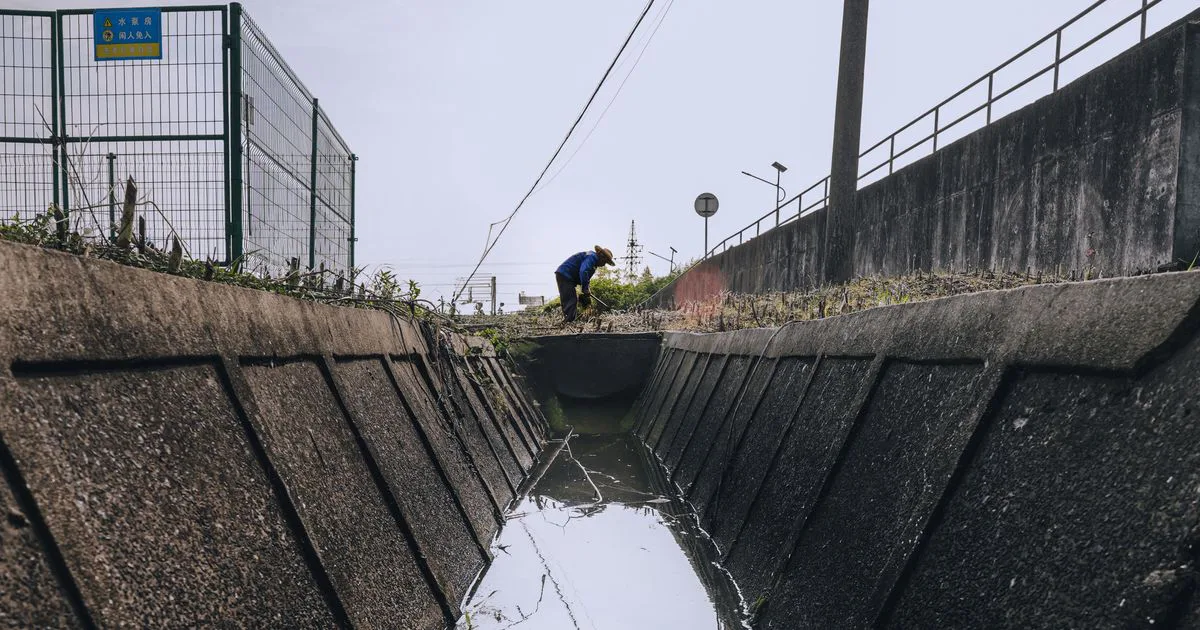
An easement is a right for someone who doesn't own your land to use part of it for a specific purpose, while you keep ownership. As NSW Crown Lands puts it, easements "give someone the right to access and use land while the legal title or ownership of the land remains with its owner." You still own the ground; you share a defined use of it.
That "someone" is often a water authority, an electricity provider, a council, or a neighbour. The land that benefits is called the benefited (or dominant) land; the land that carries the easement is the burdened (or servient) land, in the words of WA's land registry, Landgate. When you buy the burdened property, the easement comes with it and binds you as the new owner.
So an easement isn't a defect or a mistake on the title. It's a normal, registered arrangement. The question for a buyer isn't "is there an easement?" so much as "what does this one do to what I want to do here?"
What are the common types of easement?
Most easements a buyer meets fall into two groups: services and access. The Queensland Government notes easements "may be granted for a specific purpose, including access, drainage, sewerage, or supply of water or gas." A right of way (the right to cross a strip of land to reach another property) is one of the most common, and Landgate describes it as a "right of carriage way" written into the transfer.
Service easements usually protect underground or overhead infrastructure: a stormwater or sewer pipe, a water main, or a power line. Access easements, including rights of way and shared driveways, let a neighbour or the public pass over part of the land.
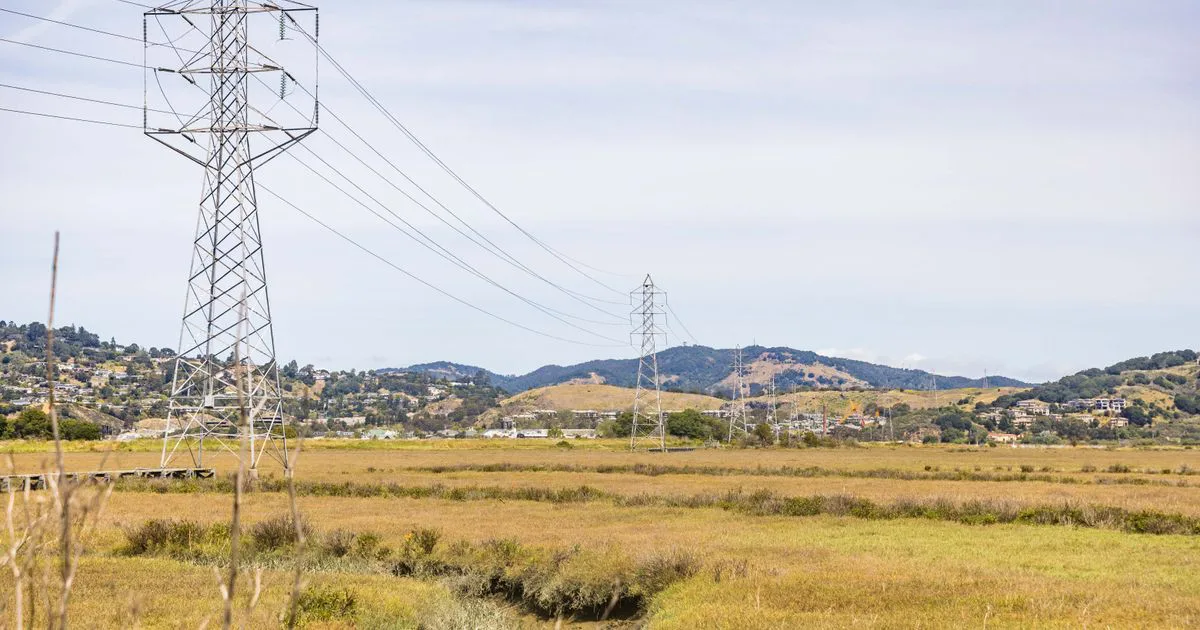
How wide are they? There's no single national standard; widths are set by the relevant authority or council. A suburban drainage easement might be only a couple of metres, while a high-voltage electricity transmission easement can run to tens of metres, per state planning guidance. The width matters because it tells you how much of the block is effectively spoken for.
Can you build over an easement?
Usually not without approval. If you want to put a permanent structure (an extension, garage, pool or brick fence) over or near an easement, you generally need the consent of the authority that benefits from it. That consent can be refused. Melbourne Water is blunt: build "over or within 5 metres" of its easements or underground assets and "you must obtain our consent before beginning any work."
Why so strict? The benefiting party often needs to dig down and reach a pipe or cable, and a slab on top makes that expensive or impossible. An application to build over or adjacent to an asset carries a regulated fee, from about $64.46 with Sydney Water, or a $294.32 initial application with Melbourne Water (both 2026–27). Treat those as administrative starting fees, not the full cost: engineering assessment and any required works sit on top, and authorities are currently warning of "significant delays" on applications.
The practical takeaway: if your plans depend on building over the easement, confirm it's approvable before you commit, not after. The water authority or council decides this, not the selling agent.
Does an easement affect what a property is worth?
It can, but there's no fixed number, and anyone quoting you a flat percentage is guessing. The impact depends on the easement's type, its size, and above all where it runs. An easement tucked along a boundary may cost you little. One that crosses the buildable part of the yard, or a transmission line dominating the outlook, is a different story.
Australian courts approach it the same way when they set compensation for an imposed easement: by the loss to the burdened land, broadly the drop in its market value plus related losses. That principle was applied by the NSW Court of Appeal in Shi v ABI-K (2014), an easement case decided under section 88K of the Conveyancing Act 1919.
Is that a reason to walk? Not on its own. It's a reason to price the easement into your offer and, for a specific property, get a valuer's read rather than a rule of thumb. knest.ai can help you flag the easement and frame the question; a licensed valuer gives you the number.
How do I find out if a property has an easement, and where it runs?
Easements are recorded on the certificate of title and drawn on the property's deposited plan or plan of subdivision. Your conveyancer or solicitor reviews the title and the easement terms; a registered surveyor can confirm exactly where the easement sits on the ground. In Victoria, easements must appear in the Section 32 vendor statement. Consumer Affairs Victoria confirms it "contains information about the property's title, including mortgages, covenants, easements, zoning and outgoings."
Knowing an easement exists and knowing where it runs are two different jobs, done by two different people. In the buyer prep we see at knest.ai, an easement's existence is rarely the surprise, because the contract usually flags it. What trips people up is its position: a drainage line clipping the very corner where they'd pictured a pool or a granny flat.
| Who | What they confirm |
|---|---|
| Conveyancer / solicitor | That the easement is on the title, its terms, and that it’s disclosed in the contract or Section 32 |
| Registered surveyor | Exactly where the easement runs on the land, and how much of the block it takes |
| Water authority / council | Whether you can build over or near it, and on what conditions |
In most states you'll also see risks like this flagged on a planning certificate.
Can an easement be removed or changed?
Assume not, at least for the purpose of your decision. An easement can sometimes be removed (extinguished) or varied, but it generally needs the agreement of the party that benefits from it, or a court order under state legislation. That's slow, uncertain and potentially costly, so it's the wrong thing to bank on when you're deciding whether to buy.
Buy the property as it is, easement included. If removing the easement later turns out to be possible, treat it as a bonus, not as the plan. A right you can only remove with someone else's consent isn't a right you control.
Easement vs covenant vs right of way: what's the difference?
They're easy to confuse and can all sit on the one title. An easement is a right to use part of the land. A covenant is a rule that restricts how you use your own land, for example a limit on materials or on building a second dwelling. A right of way is one common type of easement: the right to travel across the burdened land, which Landgate records as a "right of carriage way."
So when you read a title, don't stop at the first line. Check for easements, covenants and rights of way separately, because each one shapes what you can do with the property in a different way.
Before you make the offer
An easement isn't a red flag by itself. It's a normal line on an Australian title that quietly shapes what you can build, what the block is really worth to you, and whether your plans are even possible. Handle it like any other piece of due diligence:
- Remember you still own the land; you're sharing a defined use of part of it.
- Judge the easement by where it runs, not by the label.
- Treat it as permanent for your decision.
- Have your conveyancer check the title and contract, and a surveyor confirm the exact location, before you offer.
knest.ai helps you surface signals like easements early and prepare the right questions, so nothing on the title takes you by surprise. It's decision support, not a replacement for your conveyancer, surveyor or valuer.
Frequently asked questions
Do I still own the land under an easement?
Yes. An easement doesn’t transfer ownership. As NSW Crown Lands explains, the legal title or ownership of the land remains with its owner. You own the land and share a defined use of part of it with the party the easement benefits.
Can I build a pool or shed over an easement?
Usually not without approval. Building over or near most easements needs the consent of the benefiting authority, and it can be refused. Melbourne Water requires consent before any work over or within 5 metres of its easements or assets. Check before you plan.
Does a Section 32 have to disclose easements?
In Victoria, yes. Consumer Affairs Victoria states the Section 32 vendor’s statement contains information about the property’s title, including easements. In NSW, easement dealings that affect the land are attached to the contract for sale, and your conveyancer confirms this.
Who confirms exactly where the easement runs?
A registered surveyor. Your conveyancer confirms the easement is on the title and reads its terms, but pinpointing where it sits on the ground, and how much of the block it takes, is a surveyor’s job. The deposited plan shows its general position.
What's the difference between an easement and a covenant?
An easement is a right for someone to use part of your land, for drainage, access or services. A covenant restricts how you use your own land, such as building materials or a single-dwelling rule. Both can appear on the same title, so check for each.
Sources
- NSW Government, Crown Lands, Easements, retrieved 2026-07-28, https://www.crownland.nsw.gov.au/find-services/consents-restrictions-and-easements/easements
- Queensland Government, Easements, retrieved 2026-07-28, https://www.qld.gov.au/environment/land/state/easements
- Landgate (Western Australian land registry), EAS-01 Easements, retrieved 2026-07-28, https://www.landgate.wa.gov.au/land-and-property/land-transactions-hub/land-transaction-policy-and-procedure-guides/land-titles/encumbrances-interests-and-limitations/eas-01-easements/
- Melbourne Water, Apply to build near an asset or easement, retrieved 2026-07-28, https://www.melbournewater.com.au/building-and-works/apply-to-build-or-develop/apply-build-near-asset-or-easement
- Melbourne Water, Construction, works and connections (prices and charges), retrieved 2026-07-28, https://www.melbournewater.com.au/services/prices-and-charges/construction-works-and-connections
- Sydney Water, Other prices, retrieved 2026-07-28, https://www.sydneywater.com.au/accounts-billing/paying-your-bill/our-prices/other-prices.html
- Consumer Affairs Victoria, Conveyancing and contracts for sellers, retrieved 2026-07-28, https://www.consumer.vic.gov.au/housing/buying-and-selling-property/selling-property/conveyancing-and-contracts-for-sellers
- Shi v ABI-K [2014] NSWCA 293, New South Wales Court of Appeal: easement imposed under s88K Conveyancing Act 1919 (medium-neutral citation; full judgment via NSW Caselaw / AustLII). Discussed in Supreme Court of NSW (Justice Kunc), Section 88K Easements, 2016, retrieved 2026-07-29, https://supremecourt.nsw.gov.au/documents/Publications/Speeches/2016-Speeches/Kunc_20161022.pdf. No compensation figure is stated in this article.
Daniel Ryan, Editor, Buyer Guides & Property, knest.ai
General information only. This article is general information for Australian home buyers, not personal legal, property or financial advice, and not a property valuation. Easement rules and disclosure obligations vary by state. Verify anything that affects your decision with your conveyancer or solicitor, a registered surveyor, the relevant water authority or council, and a licensed valuer.
Recommended for you
How to Research a Property Before Buying in NSW: The 12 Checks
Torrens Title vs Strata Title: What Duplex Buyers Check
What Is a Party Wall in Australia? Who Owns It, Who Pays

Do You Need a Conveyancer to Buy a House? (And Can You DIY?)

Conveyancing Fees in Australia: What a Conveyancer Costs

Buying on a Sloping Block: Costs, Retaining and What to Check