
knest.ai • Property intelligence for home buyers
Land & Site Risk When Buying in Australia: Flood, Bushfire, Easements & Slope
The riskiest thing about a home is often the land it sits on, not the house. Flood, bushfire, easements and slope are fixed features of the block, and the listing rarely mentions them. Here's how to check any Australian address before you offer.
Most buyers inspect the kitchen and frown at a crack in the wall. Far fewer check the thing that can cost the most and is hardest to fix: the land itself. A house can be renovated. A flood-prone block, a bushfire rating, an easement across the backyard, or a steep fall to the rear are fixed features of where the home sits.
None of that is usually in the listing. The listing is the seller's channel, built to market the property, not to flag what could lower its value or block your plans. So this guide maps the four land and site risks worth checking, where each one is disclosed, how to check it before you offer, and which professional confirms what.
- “Site risk” is what can go wrong with the land itself: flood and overlays, bushfire exposure, easements, and slope, as distinct from the house on it.
- Listing portals structurally don’t surface it. The seller’s channel isn’t built to highlight what could cut value or limit what you can build.
- Most of it is knowable before you offer. It sits on the title, the plan, the state planning certificate, and public flood and bushfire maps.
- Each risk has a different professional who confirms it: conveyancer, surveyor, water authority or council, valuer, and insurer.
- Check the land, not just the building, then decide to proceed, dig deeper, or walk away.
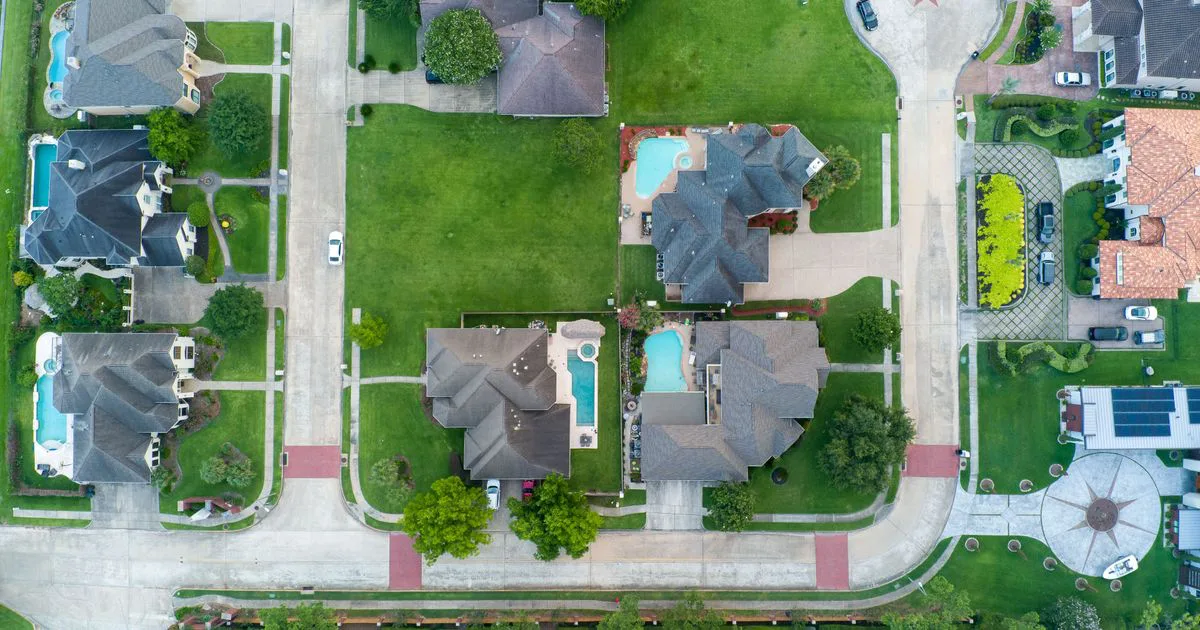
What counts as "site risk", and why the listing won't show it
Site risk is the group of things that can go wrong with the land, not the building. Flooding, bushfire exposure, easements and rights of way, and a difficult slope all sit here. They shape what you can build, what the property is worth, and sometimes whether you can insure it, yet a listing rarely mentions any of them.
That's not always dishonesty; it's structure. The agent works for the seller, and the marketing is built to sell. Independent, buyer-side checking is a separate job. The good news: most site risk is on the public record before you commit. The rest of this guide is the shortlist, and where to look.
How serious is flood risk, and how do I check it?
Flood is usually the biggest and most valuable land risk to check, because it drives both insurance cost and resale. Australia's National Climate Risk Assessment (September 2025) projects climate change could cut residential property values by around $611 billion by 2050 under a high-warming scenario (Climate Council briefing on the NCRA, 2025). Insurability is the sharp end: a 2022 Climate Council analysis estimated around 1 in 25 Australian properties, roughly 520,000, could be "effectively uninsurable" by 2030 (Climate Council, Uninsurable Nation, 2022).
The practical checks are public. In Brisbane, the council's Flood Awareness Map returns a property-level flood summary when you search by address, lot or suburb (Brisbane City Council). Queensland's statewide FloodCheck is useful too, but it's a flood-study locator, and the State says it "should not be used to determine the potential for flooding at the property level", so pair it with the local council. In NSW and Victoria the disclosure runs through the planning system, covered below. And always get an insurance quote before you're committed: an unaffordable or refused quote tells you what a map can't.
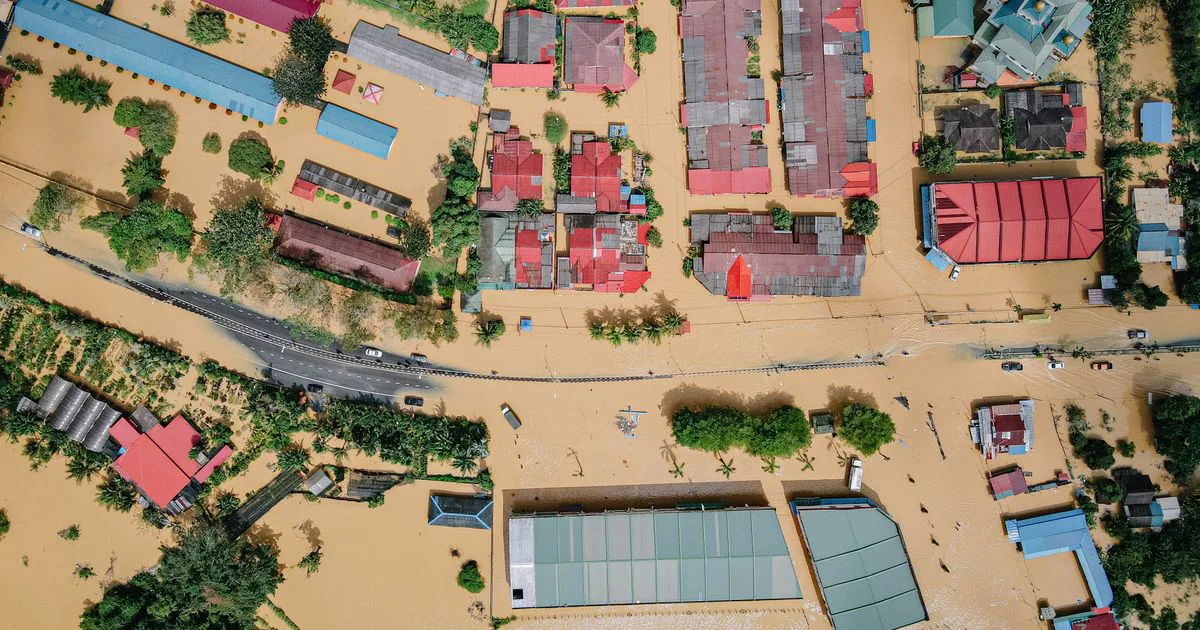
We go deeper on maps, overlays and insurance in buying in a flood-prone area.
What is a BAL, and does bushfire risk affect the property?
If a property is bushfire-prone, it carries a Bushfire Attack Level (BAL) that shapes what you can build and what it costs. The NSW Rural Fire Service defines a BAL as a measure of "a building's potential exposure to ember attack, radiant heat and direct flame contact", and construction requirements for each level are set by Australian Standard AS 3959, Construction of buildings in bushfire-prone areas (NSW RFS).
Checking is straightforward. Whether a lot is bushfire-prone is mapped and confirmed on the section 10.7 planning certificate from council, and in NSW you can also check by address on the RFS map (NSW RFS). A higher BAL isn't a reason to walk on its own, but it changes build and renovation costs and can affect insurance, so price it in.
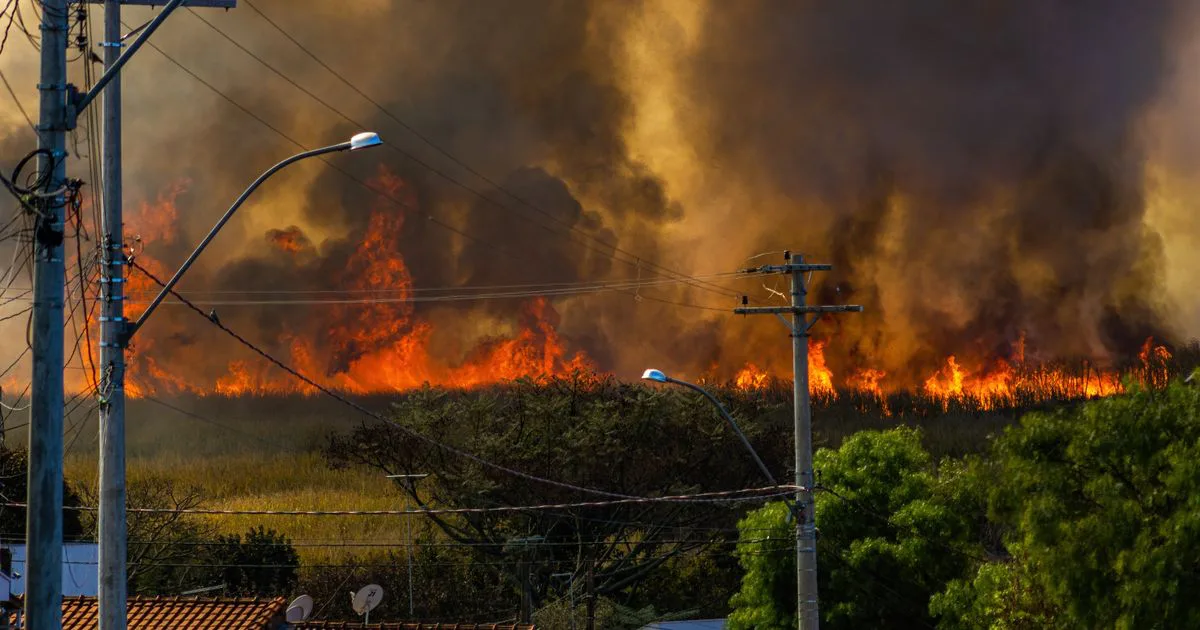
For the detail, see our guide to BAL ratings and buying in a bushfire-prone area.
Are there easements or rights of way on the land?
An easement is a registered right for someone who doesn't own the land, a utility, council or neighbour, to use part of it, while ownership stays with the owner (NSW Crown Lands). It can limit where you build, and building over one generally needs the authority's consent, which can be refused (Melbourne Water). Registered easements are disclosed in the contract, and in Victoria on the Section 32 vendor statement (Consumer Affairs Victoria).
That's the short version. For what an easement means for your plans, value and offer, read the full guide: what an easement means when you're buying.
What does a sloping block change?
A slope changes what you can build and what it costs, through retaining, drainage and extra site works. It's knowable before you buy. Land levels come from a licensed surveyor's contour and feature survey, measured from natural ground level, and retaining walls or reworked levels can need planning approval or a building permit, with small walls sometimes exempt (City of Joondalup, WA).
Two cautions. Approval thresholds are set by each council, not a single national rule, so check the local one. And be wary of anyone quoting a flat "sloping-block premium": the real cost depends on the fall, the soil and the design. Check the contours, the retaining and the drainage before you assume a steep block is a bargain.
Costs, retaining and drainage are covered in buying on a sloping block.
What's on the title and the planning certificate?
Most of the risks above converge on two documents: the title (with its plan) and the state planning certificate. In NSW, the section 10.7 planning certificate shows the property's constraints, including, in the Planning Portal's words, "land contamination, level of flooding and bushfire prone land" (NSW Planning Portal). In Victoria, flood risk shows as a planning-scheme overlay, the Land Subject to Inundation Overlay, which "identifies properties that may be affected by flood risk" (Victorian Planning Authority).
Your conveyancer or solicitor reads these before you're committed. It's the single most efficient site-risk check you can make, because one certificate flags flood, bushfire and zoning at once.
In the buyer prep we see at knest.ai, it's common for one lot's certificate to flag both a flood constraint and bushfire-prone land together. That's exactly why reading the certificate early, rather than after you've fallen for the kitchen, is the cheapest check on this list.
For how to read it, see our guide to planning certificates and overlays.
How do I check any address for site risk before I offer?
Most site risk is knowable pre-offer from four places, and you can work through them in an afternoon:
- The title and plan. Order a title search and the deposited plan or plan of subdivision to see easements, rights of way and boundaries.
- The planning certificate. Get the state certificate (NSW s10.7, VIC Section 32 statement) for flood, bushfire and zoning constraints in one document.
- The hazard maps. Check the council or state flood map and the bushfire-prone-land map by address.
- An insurance quote. Get a real quote early; cost or refusal is a risk signal a map won't give you.
This is knest.ai's lane. The platform helps you surface these signals by address early and turn them into the right questions, so nothing on the block takes you by surprise. It's decision support that helps you prepare, not a replacement for the professionals who verify.
Who confirms what?
Site risk trips buyers up because no single professional covers all of it, and people assume the agent's summary is the whole picture. It isn't. Here's who checks what.
| Who | What they confirm |
|---|---|
| Conveyancer / solicitor | Title, easements, covenants, and what the contract or Section 32 discloses |
| Registered surveyor | Contours and levels, boundaries, and exactly where an easement runs |
| Water authority / council | Flood mapping, build-over approval, and retaining-wall requirements |
| Valuer | What any of these risks does to the property’s market value |
| Insurer | Whether the property is insurable, and at what cost |
Before you make the offer
Site risk isn't a reason to fear every block. It's a normal part of buying land in Australia, and most of it is on the public record if you look. Treat it like the rest of your due diligence:
- Weigh each risk by how much of the block it affects and what it does to your plans, not just whether it's there.
- Price it in: a higher BAL, a flood overlay or an easement across the yard can change what the property is worth to you.
- Get the insurance quote in before the cooling-off clock runs down.
- Then make the call: proceed, add a condition to the contract, or walk.
Like a block's orientation and aspect, site risk is one more thing to weigh, then decide whether to proceed, dig deeper, or walk. knest.ai helps you surface the signals and prepare the questions; your conveyancer, surveyor, valuer and insurer confirm the answers.
Frequently asked questions
What is “site risk” when buying a house?
Site risk is what can go wrong with the land itself rather than the building: flood and overlays, bushfire exposure, easements and rights of way, and a difficult slope. These shape what you can build, what the property is worth, and whether you can insure it.
How do I check if a property is flood or bushfire prone?
Check the council or state flood map (some, like Brisbane’s, work by address) and the bushfire-prone-land map, and read the state planning certificate. In NSW the section 10.7 certificate lists flooding and bushfire-prone land; in Victoria flood shows as a planning overlay.
Does the listing or agent have to tell me about these risks?
Not in the marketing. Some risks are disclosed in the contract or the Victorian Section 32 statement, and registered easements must be. But disclosure rules vary by state, so have your conveyancer check the title and certificate rather than relying on the listing.
Which professional checks land risk?
It’s split. A conveyancer checks the title, easements and disclosure; a surveyor confirms contours and where an easement runs; the water authority or council covers flood mapping and build-over; a valuer prices the impact; and an insurer tells you if it’s insurable. No single person covers all of it.
Can I get out if I find a problem after signing?
Sometimes, through a cooling-off period or a condition in the contract, but the rules and timeframes vary by state and sale type. Do the site-risk checks before you sign, and ask your conveyancer what protections your specific contract gives you.
Sources
- Australian Government (DCCEEW), National Climate Risk Assessment (September 2025), retrieved 2026-07-29, https://www.dcceew.gov.au/climate-change/publications/ncra-first-pass-risk-assessment (property-value figure via Climate Council NCRA briefing, https://www.climatecouncil.org.au/resources/briefing-paper-national-climate-risk-assessment-ncra/)
- Climate Council, Uninsurable Nation: Australia's most climate-vulnerable places (2022), retrieved 2026-07-29, https://www.climatecouncil.org.au/resources/uninsurable-nation-australias-most-climate-vulnerable-places/
- NSW Rural Fire Service, Building on bush fire prone land (Additional Information; Check if you're in bush fire prone land), retrieved 2026-07-29, https://www.rfs.nsw.gov.au/plan-and-prepare/building-on-bush-fire-prone-land/additional-information
- Brisbane City Council, Flood information frequently asked questions, retrieved 2026-07-29, https://www.brisbane.qld.gov.au/community-support-and-safety/natural-disasters-and-emergencies/flooding-in-brisbane/flood-information-frequently-asked-questions
- Queensland Government, FloodCheck Queensland, retrieved 2026-07-29, https://floodcheck.information.qld.gov.au/
- NSW Government Planning Portal, Online Section 10.7 Planning Certificate Service, retrieved 2026-07-29, https://www.planningportal.nsw.gov.au/development-and-assessment/post-consent-certificates/online-section-107-planning-certificate-service
- Victorian Planning Authority, What is the Land Subject to Inundation Overlay (LSIO)?, retrieved 2026-07-29, https://vpa.vic.gov.au/faq/what-is-the-land-subject-to-inundation-overlay-lsio-2/
- City of Joondalup (WA), Retaining walls and site works, retrieved 2026-07-29, https://www.joondalup.wa.gov.au/plan-and-build/residential-building-and-renovation-guides/retaining-walls-and-site-works
- NSW Government, Crown Lands, Easements, retrieved 2026-07-28, https://www.crownland.nsw.gov.au/find-services/consents-restrictions-and-easements/easements
- Consumer Affairs Victoria, Conveyancing and contracts for sellers, retrieved 2026-07-28, https://www.consumer.vic.gov.au/housing/buying-and-selling-property/selling-property/conveyancing-and-contracts-for-sellers
- Melbourne Water, Apply to build near an asset or easement, retrieved 2026-07-28, https://www.melbournewater.com.au/building-and-works/apply-to-build-or-develop/apply-build-near-asset-or-easement
Daniel Ryan, Editor, Buyer Guides & Property, knest.ai
General information only. This article is general information for Australian home buyers, not personal legal, property, insurance or financial advice, and not a property valuation. Site-risk rules, maps and disclosure obligations vary by state and council. Verify anything that affects your decision with your conveyancer or solicitor, a registered surveyor, the relevant water authority or council, a licensed valuer, and your insurer.
Recommended for you
How to Research a Property Before Buying in NSW: The 12 Checks
Torrens Title vs Strata Title: What Duplex Buyers Check
What Is a Party Wall in Australia? Who Owns It, Who Pays

Do You Need a Conveyancer to Buy a House? (And Can You DIY?)

Conveyancing Fees in Australia: What a Conveyancer Costs
Buying on a Sloping Block: Costs, Retaining and What to Check